
What is a dental implant
A dental implant is a surgical titanium screw placed in the upper or lower jawbone to replace the roots of missing teeth. Fixed or removable prostheses are then placed on one or more implants.
Titanium is the ideal material for implants because it is biocompatible: it bonds naturally with the bone through a process called osseointegration, ensuring long-term stability and aesthetic results comparable to natural teeth.

Why a
dental implant is used
Missing one or more teeth causes obvious aesthetic problems, as well as significant chewing and malocclusion issues, leading to pain, postural disorders and even digestive difficulties.
Implant-prosthetic treatment is today the most effective long-term solution for replacing missing teeth, provided the patient has adequate bone support or can undergo regenerative procedures.
Unlike traditional prostheses, an implant does not require grinding down the adjacent teeth and preserves the alveolar bone, maintaining the shape of the face and preventing the bone loss that naturally follows the loss of a tooth.
Have you lost one or more teeth?
Book a free introductory visit to assess your situation with our specialists.
Immediate-loading
implants
Immediate-loading dental implantology means placing enough implants to restore aesthetics and chewing function within 24/48 hours with a fixed temporary prosthesis, without waiting the usual months of healing.
After 3–6 months of healing and bone consolidation, the temporary prosthesis is replaced with a high-quality permanent one. This technique is not always applicable: in some cases the traditional procedure is needed, depending on the patient's bone condition.
Computer-guided
& zygomatic implants
Computer-guided implantology
3D planning with advanced software makes it possible to virtually simulate implant placement before surgery, significantly improving accuracy and reducing invasiveness. The result is a more precise, faster procedure with quicker recovery.
The main advantage: the 3D-printed surgical guide ensures each implant is placed exactly where the digital plan intended, eliminating margins of error.
Zygomatic implants
In cases of severe atrophy of the upper jaw, where there is not enough bone for traditional implants, zygomatic implants are an alternative: they anchor to the cheekbone, which is stronger and larger, often avoiding the need for preliminary bone grafts.
Bone
reconstructive surgery
When there is not enough bone to support implants, regenerative surgery is used: biocompatible biomaterials increase the volume and quality of the bone tissue before or at the same time as implant placement.
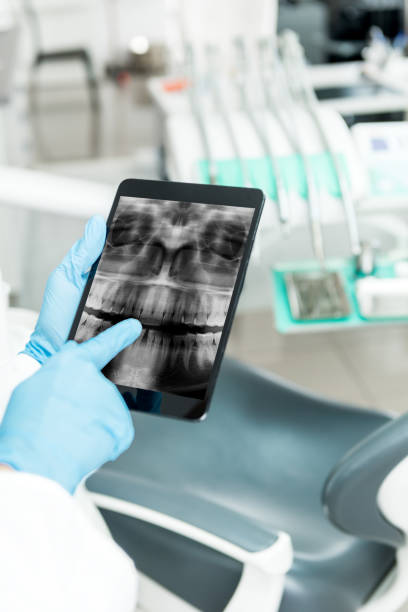
The panoramic X-ray and cone beam CT (available at our clinic) are essential tools for precisely assessing bone deficiency and planning the reconstruction as effectively as possible.

With our on-site panoramic CT, we can make a complete diagnosis during the same visit, without the patient having to go elsewhere. This saves time and makes the treatment path simpler.
Ready to get started?
Our specialists are available for a complete, no-obligation assessment.
